
Jawline fitness has become a growing part of modern wellness routines as more individuals explore facial muscle training to complement traditional fitness and self-care practices. Just like resistance training for the body, exercising the jaw muscles can support muscle engagement, endurance, and long-term conditioning when performed consistently. The Jawzrsize store has positioned itself as a leading source for resistance-based jaw training tools designed to meet different user needs and experience levels.
This guide explains how jawline training works, what results can realistically be expected, and how to choose the most suitable Jawzrsize option based on personal comfort, toning preferences, or strength-focused goals.
What Jawzrsize Is and How It Works
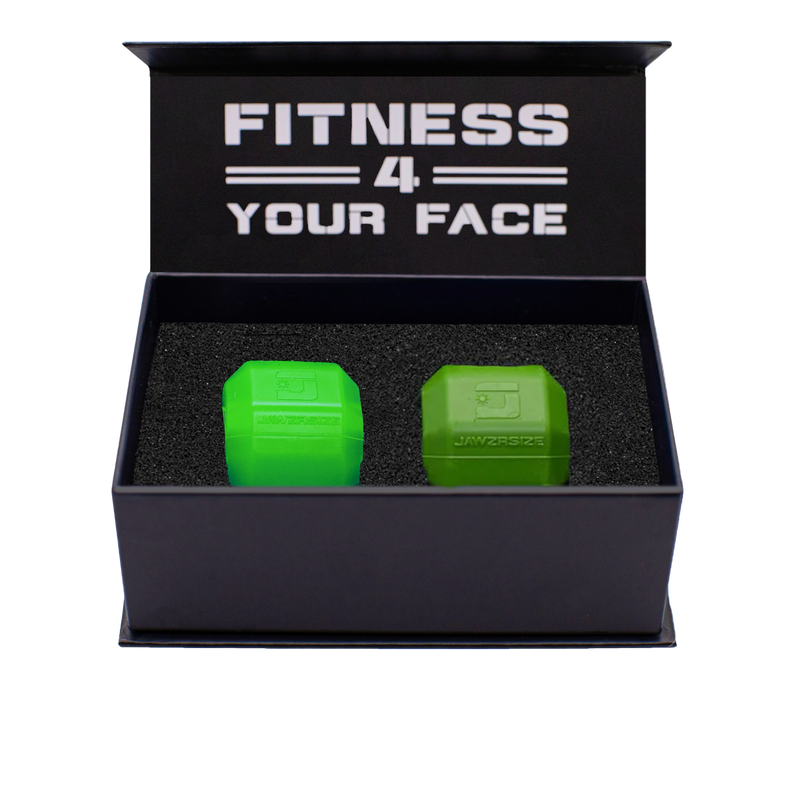
Jawzrsize is a resistance-based facial exercise tool created to activate and strengthen the muscles involved in jaw movement and lower-face support. The device is placed between the teeth, and controlled biting motions engage key muscles such as the masseter and temporalis, which contribute to jaw stability and muscle tone.
Each unit offers a specific resistance level, functioning similarly to weight-based equipment used in conventional strength training. Over time, repeated and controlled use encourages muscle endurance, improved control, and gradual strength development. As with any resistance-focused exercise, results depend on technique, consistency, and selecting an appropriate resistance level.
The mechanism behind jawline training mirrors fundamental principles found in traditional strength conditioning. When muscles encounter resistance, they adapt by becoming stronger and more resilient. This same principle applies to the facial muscles responsible for jaw movement. Regular engagement creates micro-adaptations that accumulate over weeks and months, leading to noticeable improvements in muscle tone and definition.
Understanding Who Each Jawzrsize Pack Is Designed For
Jawzrsize offers several bundle options to support users at different stages of jawline fitness. Each pack is designed with a specific training purpose in mind, allowing individuals to align their choice with experience and comfort.
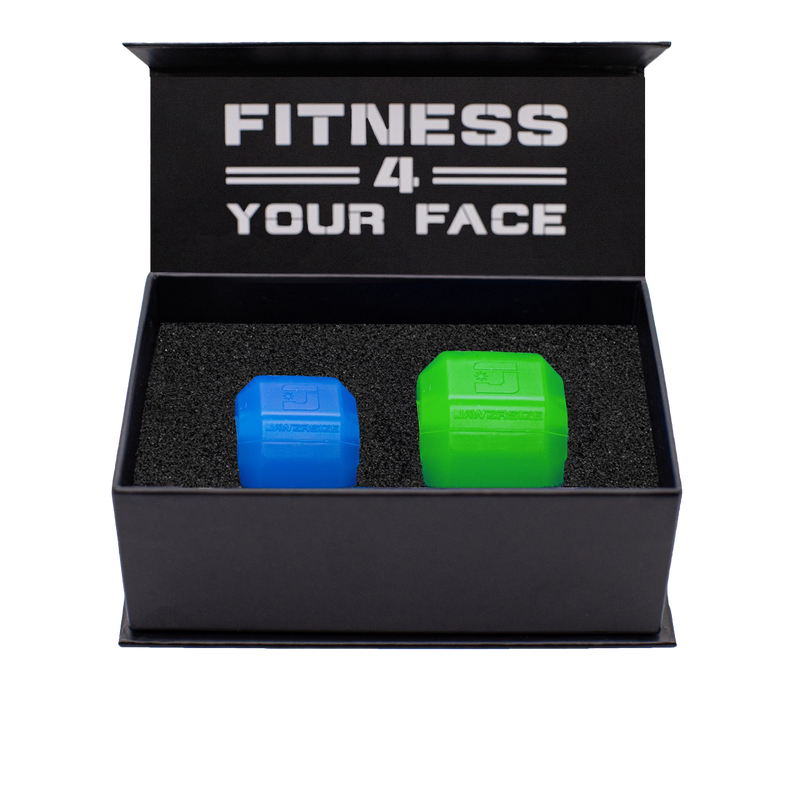
Beginners Bundle
The Beginners Bundle is intended for individuals who are new to jawline resistance exercises. Its lower-resistance focus allows users to learn proper technique while minimizing strain on the jaw muscles and teeth. This option emphasizes comfort, adaptation, and building confidence through gradual progression.
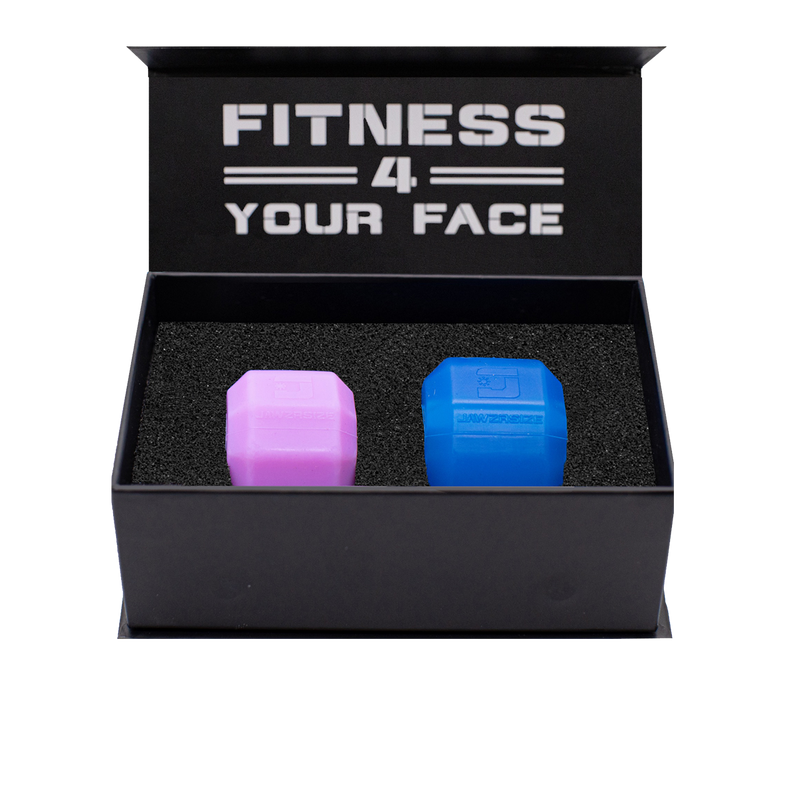
Ladies Pack
The Ladies Pack is designed for users interested in controlled resistance and endurance-based training. It supports jawline toning and muscle engagement through moderate resistance, making it well suited for those who prefer consistent, manageable workouts that integrate easily into a daily wellness routine.
Guys Pack
The Guys Pack is targeted toward users who are comfortable with higher resistance and seek strength-oriented jaw muscle training. This option is suitable for individuals who want a more intense challenge and are focused on building jaw muscle strength over time.
Results Expectations: Comfort, Tone, and Strength
Different resistance levels produce different outcomes, and understanding these distinctions helps set realistic expectations.
Beginner comfort and adaptation: Lower resistance supports muscle awareness, coordination, and endurance development. Early progress is often felt as improved control rather than visible changes.
Jawline toning and endurance: Moderate resistance emphasizes sustained muscle engagement, which can contribute to a firmer, more conditioned jawline appearance with consistent use.
Jaw strength and intensity: Higher resistance challenges the muscles more directly, supporting strength development and increased muscular endurance after an initial adaptation period.
Results vary based on usage frequency, lifestyle habits, and overall wellness factors. Most users begin noticing subtle changes in muscle awareness within the first two to three weeks, while more visible improvements in jawline definition typically emerge after consistent training over several months. Individual genetics, body composition, and facial structure also play significant roles in determining the extent and timeline of visible results.
Tips for Beginners Starting Jawline Fitness
A careful approach can help maximize benefits while reducing the risk of discomfort.
- Start with lighter resistance to allow gradual adaptation
- Focus on slow, controlled movements rather than forceful pressure
- Keep early sessions short and manageable
- Allow rest between sessions to support recovery
- Discontinue use if pain or unusual tension occurs
Consistency and proper technique are more effective than intensity when starting jawline training. New users should consider beginning with sessions lasting just five to ten minutes, performed three to four times per week. This measured approach gives muscles adequate time to adapt while preventing overuse that could lead to soreness or fatigue.
Creating an Effective Jawline Training Routine
Developing a structured routine enhances the effectiveness of jawline fitness training. Like any fitness discipline, jawline exercises benefit from intentional planning and progressive overload principles. A well-designed routine includes warm-up phases, active training periods, and adequate recovery intervals.
Before beginning each session, gently massage the jaw muscles with your fingertips to increase blood flow and prepare tissues for resistance work. During the training phase, maintain steady, controlled repetitions rather than rapid or forceful movements. Quality repetitions build strength more effectively than high-volume sessions performed with poor form.
As adaptation occurs over weeks, users can gradually increase either the duration of sessions or the frequency of training days. However, progression should remain conservative to prevent overtraining. Adding just one or two minutes to session length every two weeks provides sustainable advancement without excessive strain.
Understanding potential pitfalls helps users maximize their training effectiveness while minimizing setbacks. One frequent mistake involves selecting resistance levels that exceed current capability. Choosing a pack designed for advanced users when still developing foundational strength can lead to discomfort and discouragement.
Another common error is inconsistent training patterns. Sporadic use fails to provide the regular