
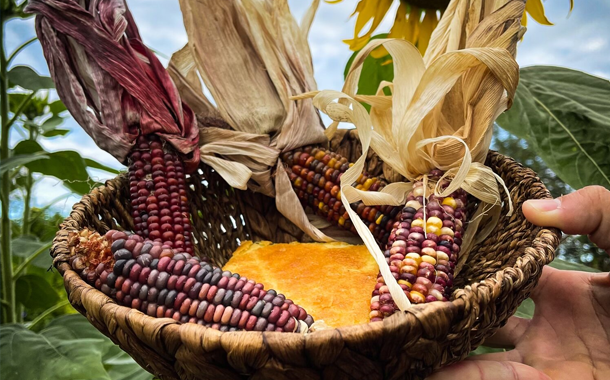
Columbus Day, a federal holiday commemorating the arrival of Christopher Columbus in the Americas, is more than just a historical milestone. It offers a unique opportunity to explore the rich culinary heritage that emerged from the Columbian Exchange. When Columbus set sail, he initiated an exchange of ingredients between the Old and New Worlds that transformed global cuisine. Tomatoes, potatoes, corn, cacao, and chilli peppers—ingredients so common today—once belonged to entirely different continents. This Columbus Day, celebrate the holiday by discovering dishes that celebrate these ingredients and the cross-cultural exchange that shaped world cuisine. And while you`re preparing for a festive gathering, don`t forget to look out for great Columbus Day sales, where you can get mega discounts on essential kitchen items!
Columbian Exchange Ingredients
The Columbian Exchange was one of the most significant cultural exchanges in world history, and its impact on the culinary world cannot be understated. Before Columbus’ voyages, many of the foods we enjoy today didn’t exist in certain parts of the world. The exchange introduced ingredients from the New World to the Old World and vice versa. Some of the most iconic examples include:
- Tomatoes: Native to the Americas, tomatoes became a cornerstone of Mediterranean cuisine, especially in Italian dishes like pasta with tomato sauce.
- Corn (Maize): First cultivated by indigenous peoples in Mesoamerica, corn has become a staple across the globe, from Mexican tortillas to Italian polenta.
- Potatoes: Native to the Andes, potatoes revolutionized European diets, particularly in Ireland, where they became a key food source.
- Cacao: The source of chocolate, cacao, was once a sacred food in Mesoamerican cultures. It spread worldwide, giving rise to beloved chocolate desserts.
- Chili Peppers: Also native to the Americas, chilli peppers have become integral to spicy dishes in various cultures, from Mexico to India.
The exchange of these ingredients created the foundation for countless dishes we know and love today. Columbus Day is the perfect moment to celebrate this fusion of flavors by incorporating them into your meals. Hosting a culinary exploration of the Columbian Exchange lets you pay homage to this blend of global ingredients while also enjoying a delicious feast.
Culinary Delights to Celebrate the Columbian Exchange
Now that you understand the importance of the Columbian Exchange, it’s time to bring these ingredients to life in the kitchen. Whether you’re preparing a family dinner or hosting a Columbus Day-themed potluck, these recipes will introduce vibrant flavors and intriguing histories into your celebration.
1. Peruvian Papas a la Huancaína (Potato Dish)
Ingredients:
- 4 medium potatoes (boiled and peeled)
- 1 cup queso fresco
- 1/2 cup evaporated milk
- 1 small onion
- 2 yellow chili peppers (ají Amarillo)
- Salt and pepper to taste
Instructions:
- Blend the queso fresco, evaporated milk, onions, and chili peppers until smooth.
- Slice the boiled potatoes and arrange them on a serving dish.
- Pour the cheese and chili sauce over the potatoes, and garnish with hard-boiled eggs and olives.
This Peruvian dish showcases the use of potatoes, one of the main crops introduced to the world through the Columbian Exchange.
2. Italian Spaghetti with Tomato Sauce
Ingredients:
- 400g of spaghetti
- 5 ripe tomatoes (blanched, peeled, and chopped)
- 2 garlic cloves (minced)
- 1 onion (finely chopped)
- Fresh basil leaves
- Olive oil, salt, and pepper to taste
Instructions:
- Cook the spaghetti until al dente.
- Sauté garlic and onions in olive oil, then add the chopped tomatoes and simmer for about 20 minutes.
- Season with salt and pepper and garnish with basil leaves. This simple pasta dish wouldn’t exist without the introduction of tomatoes from the New World to Italy.
3. Mexican Chocolate Pudding
Ingredients:
- 2 cups whole milk
- 1/4 cup sugar
- 1/2 cup Mexican chocolate (finely chopped)
- 2 tablespoons cornstarch
- Pinch of cinnamon
Instructions:
- In a saucepan, heat the milk and sugar until the sugar dissolves.
- Mix cornstarch with a bit of cold water to create a slurry, then stir it into the milk.
- Add the chopped chocolate and cinnamon, stirring until the pudding thickens. This dessert celebrates the cacao bean, a gift from the Americas to the rest of the world. It`s a delicious way to end any meal.
Host a Columbian Exchange-Themed Potluck
Why not turn Columbus Day into a culinary celebration with friends and family? Hosting a Columbian Exchange-themed potluck is a fun and educational way to honour the holiday while savouring flavors from both the Old and New Worlds. Invite guests to contribute dishes that feature ingredients like potatoes, tomatoes, corn, and chocolate. They can get creative with recipes that highlight these versatile foods, offering a diverse and delicious spread.
To ensure everyone is equipped to make their dishes, remind them to take advantage of Columbus Day sales where they can get mega discounts on cookware and utensils. By organizing a potluck, not only do you get to enjoy a variety of delicious foods, but you also open the door to learning about the origins and cultural significance of each dish. Ask participants to share the history of their chosen ingredient or dish, adding an educational element to your celebration.
Cultural Exploration Through Food
The beauty of food is that it serves as a gateway to understanding history and culture. Each dish you prepare or taste during your Columbus Day culinary exploration tells a story, whether it`s about indigenous farmers cultivating corn in Mesoamerica or European chefs incorporating New World ingredients into traditional recipes. Encouraging readers to explore the history behind the dishes they’re making adds depth to the culinary experience.
For example:
- The history of potatoes in Peru stretches back thousands of years, where they were domesticated by the Inca civilization. Today, potatoes are a crucial part of diets around the world.
- The story of chocolate begins with the ancient Aztec and Mayan civilizations, who revered cacao as a sacred food. When cacao made its way to Europe, it was transformed into the sweet chocolate desserts we enjoy today.
- The integration of tomatoes into Italian cuisine transformed dishes like pasta, pizza, and countless sauces. It`s hard to imagine Italian food without tomatoes, yet this fruit didn’t arrive in Europe until after Columbus’ voyage.
By cooking these dishes, you connect with the history of the Columbian Exchange and understand how it shaped the world we live in today. You might even be inspired to explore more about indigenous cultures and the broader impacts of colonization, now reflected in the dual recognition of Columbus Day and Indigenous Peoples` Day. The complex legacy of Christopher Columbus and the Indians he encountered sparks meaningful conversations, often prompting reflection on the broader significance of this federal holiday.
Columbus Day provides an opportunity not just to reflect on history but to experience it through the universal language of food. By cooking dishes rooted in the Columbian Exchange, you can engage with the legacy of the holiday in a way that is both meaningful and delicious. This culinary journey serves as a reminder of how interconnected our world has become due to the exchange of ingredients and ideas.
As you prepare your Columbus Day feast or plan your potluck, take the time to appreciate the rich cultural significance behind every bite. Remember, you can also find the tools you need for your celebration by checking out Columbus Day sales, where you can get mega discounts on kitchen essentials. Whether you’re cooking alone or with friends and family, this holiday is a perfect time to explore the flavours of the Columbian Exchange while reflecting on its historical impact.
Celebrate Columbus Day with a culinary journey through dishes from the Columbian Exchange. Discover flavours and get mega discounts on cooking essentials!