Modern kitchens are evolving rapidly as technology continues to reshape everyday cooking. Smart kitchen appliances, precision temperature control, and connected cooking tools are becoming essential for home chefs who value efficiency, consistency, and culinary creativity. The growing demand for restaurant-quality results at home has led to a surge in advanced cooking technologies designed to simplify complex techniques.
Among the emerging innovators in this space is Typhur, a brand recognized for combining modern design with intelligent cooking solutions. Through a range of high-performance kitchen devices, the company focuses on improving cooking accuracy, convenience, and overall kitchen experiences. These innovations reflect a broader shift toward technology-driven cooking where precision and simplicity coexist.
As smart cooking continues to grow in popularity across the United States and Europe, advanced tools such as wireless thermometers, sous vide cooking systems, and smokeless grills are helping redefine how meals are prepared at home.
The Growing Demand for Precision Cooking Technology
Precision cooking has become one of the most significant trends in modern kitchens. Unlike traditional cooking methods that rely heavily on intuition and experience, precision cooking tools allow exact control over temperature and timing. This accuracy ensures consistent results while reducing the risk of overcooking or undercooking.
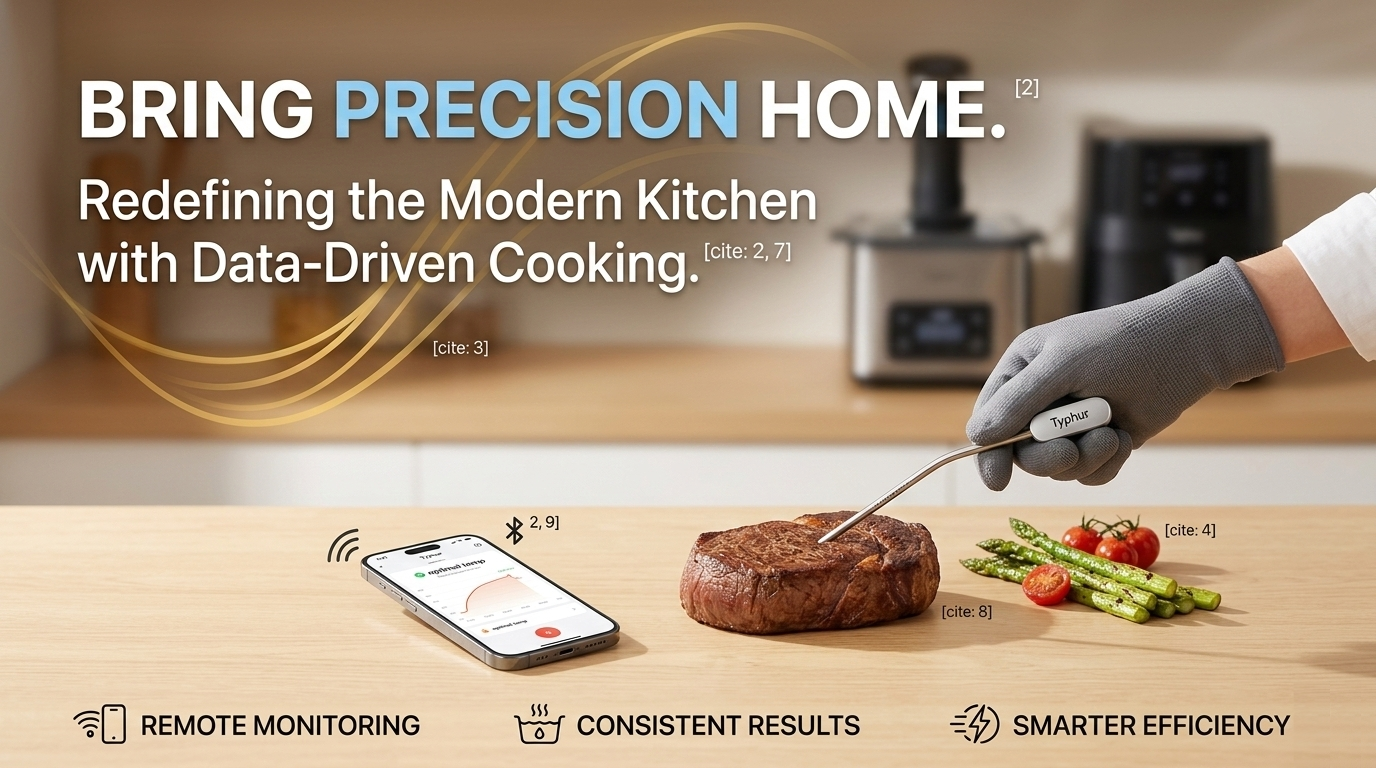
One of the most notable technologies driving this shift is the wireless meat thermometer. These smart devices allow cooks to monitor internal food temperatures remotely through mobile applications. Real-time temperature tracking helps achieve perfectly cooked meats, poultry, and seafood without constant manual checking.
Advanced wireless thermometers offered by Typhur exemplify how modern design and smart technology can work together. Built with high-precision sensors and extended wireless connectivity, these tools help maintain optimal cooking conditions from start to finish. Such features are particularly valuable during grilling, roasting, and smoking sessions where precise temperature monitoring plays a crucial role.
The integration of smart alerts, mobile connectivity, and accurate sensors demonstrates how cooking technology is evolving beyond traditional kitchen gadgets. By combining convenience with data-driven precision, modern cooking tools contribute to more reliable culinary outcomes.
Smart Appliances That Simplify Complex Cooking Techniques
Professional cooking techniques once required specialized training and years of experience. However, smart kitchen appliances are now making these methods accessible to home cooks. Sous vide cooking is a prime example of a technique that has transitioned from restaurant kitchens to everyday homes.
Sous vide cooking involves sealing food in airtight bags and cooking it in precisely controlled water temperatures for extended periods. This method allows proteins and vegetables to cook evenly while retaining natural flavors and moisture. The result is consistent texture and exceptional tenderness.
Typhur’s sous vide cooking systems illustrate how modern appliances simplify this traditionally complex process. With precise temperature control and intuitive operation, these devices allow users to replicate restaurant-level results without specialized culinary expertise. Consistent heat circulation ensures that food cooks evenly from edge to center, eliminating the guesswork often associated with traditional cooking.
Beyond sous vide technology, other smart kitchen appliances are also gaining popularity. Induction cooking systems, programmable air fryers, and precision grills are transforming how meals are prepared. These appliances emphasize efficiency, accuracy, and energy optimization while reducing cooking time.
As more households adopt these technologies, precision cooking is gradually becoming a standard feature of modern kitchens.
Indoor Grilling and Smoke-Free Cooking Innovations
Grilling has long been associated with outdoor cooking, backyard barbecues, and traditional charcoal grills. However, recent innovations have brought grilling technology indoors while minimizing smoke and maintaining authentic flavors.
Indoor smokeless grills represent one of the fastest-growing categories in smart kitchen appliances. These devices use advanced airflow systems and temperature regulation to replicate outdoor grilling results without excessive smoke production. This makes them ideal for apartment living and urban environments where outdoor grilling may not be practical.
Typhur’s indoor grilling solutions demonstrate how thoughtful engineering can enhance everyday cooking. Designed with powerful heating elements and temperature precision, these appliances allow consistent grilling performance while keeping kitchens cleaner and more comfortable.
In addition to smoke reduction, modern indoor grills often include multi-zone cooking surfaces, adjustable heat levels, and grease management systems. These features allow users to cook multiple foods simultaneously while maintaining proper temperature balance.
The combination of convenience and flavor preservation has made smokeless indoor grilling an appealing solution for home cooks who want the experience of barbecue cooking without outdoor limitations.
The Role of Smart Connectivity in Modern Kitchens
Smart connectivity has become a defining feature of next-generation kitchen appliances. Many modern cooking devices now integrate with mobile applications, allowing users to control settings, monitor cooking progress, and receive notifications remotely.
Connected kitchen technology enhances convenience while supporting more accurate cooking results. For example, wireless thermometers connected to smartphone apps allow real-time monitoring of internal food temperatures. This reduces the need for constant supervision and provides greater flexibility during meal preparation.
Typhur integrates smart connectivity into many of its cooking tools, enabling seamless interaction between appliances and mobile devices. This integration reflects a broader trend toward data-driven cooking where digital feedback guides culinary decisions.
Beyond temperature monitoring, smart kitchen ecosystems often include features such as automated cooking programs, recipe guidance, and performance tracking. These innovations help streamline meal preparation and encourage experimentation with new recipes.
As artificial intelligence and machine learning continue to influence appliance development, future kitchen technologies may offer even greater levels of personalization and automation.
Conclusion
The modern kitchen is undergoing a technological transformation driven by the demand for precision, convenience, and consistent cooking results. Smart appliances such as wireless meat thermometers, sous vide cooking systems, and smokeless indoor grills are redefining how home cooks approach meal preparation.
By combining innovative design with advanced functionality, brands like Typhur contribute to this growing ecosystem of intelligent cooking solutions. Their focus on precision, connectivity, and performance reflects the evolving expectations of modern households seeking professional-level results in everyday cooking.
As technology continues to advance, smart kitchen tools will likely become even more integrated into daily culinary routines. The future of home cooking increasingly revolves around intelligent appliances that simplify complex techniques while delivering exceptional flavor and consistency.
For those exploring modern cooking technologies, trusted retailers and innovative appliance brands provide access to tools designed to elevate the entire kitchen experience. Precision, efficiency, and smart connectivity are no longer exclusive to professional kitchens—they are quickly becoming the standard in homes around the world.