
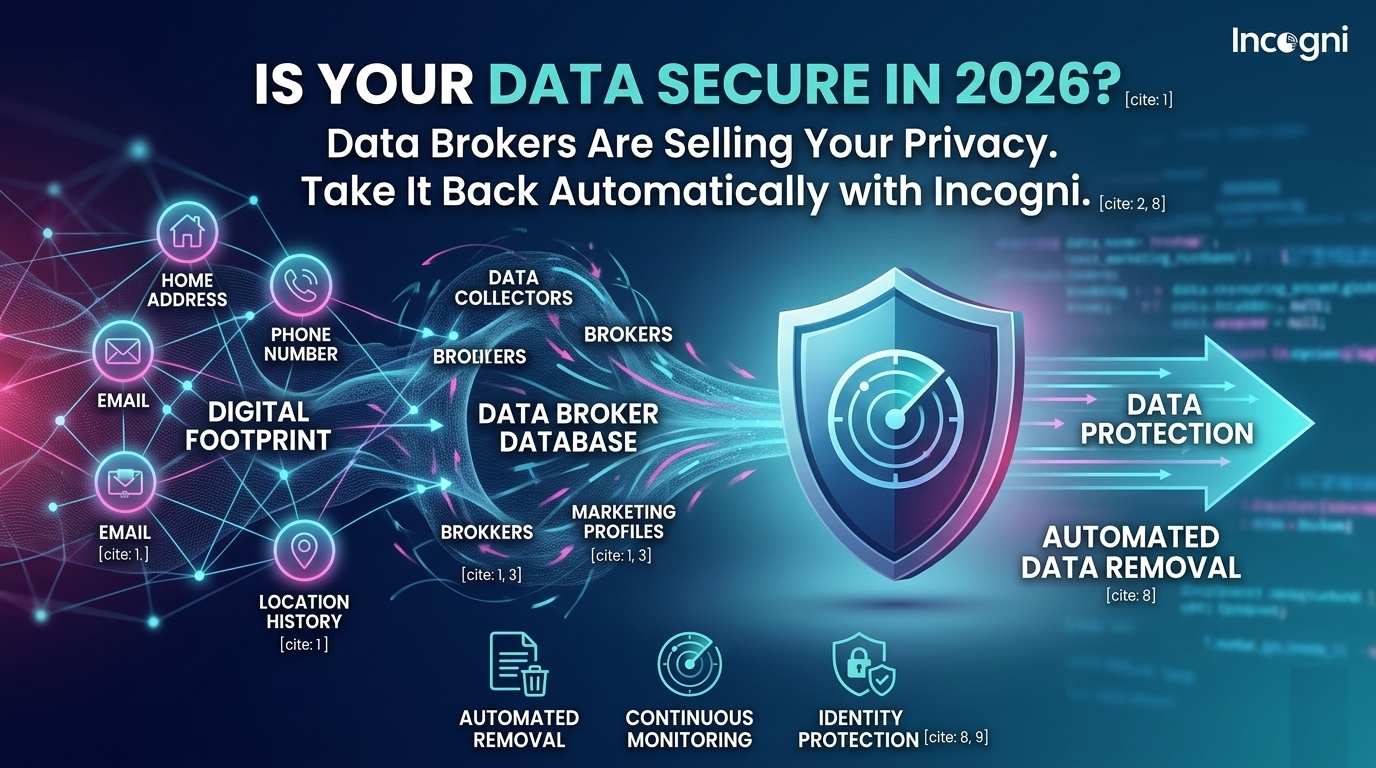
The digital economy runs on data. Every online search, purchase, subscription, or social media interaction contributes to a growing digital footprint. While these activities offer convenience and personalization, they also create a trail of personal information that can be collected, stored, and sold by data brokers. In recent years, concerns surrounding online privacy, identity theft, and data misuse have intensified, leading individuals and organizations to seek stronger solutions for protecting personal information.
One of the most effective approaches to digital privacy protection is the use of data removal services that locate and request the deletion of personal information from data broker databases. Companies such as Incogni have developed privacy-focused tools designed to automate the complex process of removing sensitive data from hundreds of online databases. By helping individuals regain control of their digital footprint, such services are playing an increasingly important role in modern online security strategies.
As privacy laws evolve and awareness of personal data risks grows, data removal services are becoming an essential component of a comprehensive online privacy strategy.
The Growing Problem of Data Brokers and Personal Data Exposure
Data brokers operate as intermediaries in the digital information economy. These companies collect personal data from a wide range of sources, including public records, marketing databases, online forms, and browsing activity. The information gathered often includes names, email addresses, phone numbers, home addresses, demographic details, purchasing behavior, and even location history.
Once collected, this information is packaged and sold to advertisers, marketing agencies, analytics companies, and sometimes other third parties. Although this practice supports targeted advertising and market research, it also increases the risk of privacy violations and data misuse.
The presence of personal information across multiple data broker platforms can expose individuals to a range of security risks, including:
- Identity theft
- Phishing attacks
- Spam and unwanted marketing
- Social engineering attempts
- Reputation damage through public data listings
Removing personal data from these networks is far from simple. Many data brokers require separate requests, identity verification, and repeated follow-ups before deleting records. Some even re-collect data after it has been removed, creating a cycle that can be difficult to manage manually.
This challenge has led to the rise of automated data removal services that streamline the process of identifying and deleting exposed personal information.
How Automated Data Removal Services Protect Digital Privacy
Modern privacy protection tools rely on automation, regulatory compliance frameworks, and data protection expertise to handle removal requests efficiently. These services work by identifying data brokers that store personal information and submitting legally compliant deletion requests on behalf of users.
A leading example is the privacy automation platform developed by Incogni. The service scans numerous data broker websites and databases to locate personal information that may be publicly accessible or stored in marketing databases. Once identified, the platform sends removal requests in accordance with applicable data protection regulations such as the General Data Protection Regulation (GDPR) and other privacy frameworks.
The system continues to monitor data broker platforms over time, ensuring that personal information does not reappear in newly created listings. This continuous monitoring approach helps maintain long-term privacy protection rather than providing a one-time solution.
Automated privacy services also simplify a process that would otherwise require extensive research and communication with dozens—or even hundreds—of data broker organizations. By centralizing requests and maintaining records of completed removals, such platforms provide a more efficient way to manage digital privacy.
Why Digital Privacy Management Matters More Than Ever
The importance of online privacy management has grown significantly in recent years. As more aspects of daily life move online, the amount of personal information circulating on the internet continues to expand. E-commerce platforms, mobile apps, social networks, and smart devices all contribute to a vast ecosystem of data collection.
Several factors are driving the increasing demand for privacy protection tools:
Rising Identity Theft and Cybercrime
Cybercriminals frequently rely on publicly available personal information to conduct identity theft or social engineering attacks. Even basic data points such as addresses or phone numbers can be used to build detailed profiles of potential targets.
Reducing the amount of exposed personal information helps minimize the opportunities for such attacks.
Increased Awareness of Data Rights
Global privacy regulations have introduced stronger protections for personal data. Laws such as the European Union’s GDPR and the California Consumer Privacy Act (CCPA) give individuals the right to request deletion of their personal information from many online services.
However, exercising these rights manually can be time-consuming. Automated privacy services simplify the process by handling requests at scale.
Expanding Data Broker Industry
The data broker market has grown rapidly over the past decade. Thousands of companies now specialize in aggregating and reselling personal information for marketing and analytics purposes. As these networks expand, the amount of data available about individuals online continues to increase.
Managing digital privacy therefore requires a proactive approach that continuously monitors and removes exposed data.
Key Benefits of Using a Dedicated Privacy Protection Service
Using a specialized data removal platform offers several advantages compared with manual privacy management.
Comprehensive Data Broker Coverage
Professional privacy services maintain updated databases of known data brokers and marketing aggregators. This enables them to submit removal requests across a broad range of platforms that might otherwise remain unknown to individuals.
Automation and Efficiency
Submitting individual removal requests can require hours of research, form submissions, and follow-up communication. Automated systems handle these steps systematically, saving significant time while ensuring consistent results.
Ongoing Monitoring
Data removal is not a one-time task. Personal information can reappear when new databases are created or when data brokers acquire additional datasets. Continuous monitoring ensures that removal requests are repeated when necessary.
Regulatory Compliance Expertise
Data protection regulations contain specific legal requirements for deletion requests. Privacy services are designed to submit requests that comply with relevant laws, increasing the likelihood of successful data removal.
Platforms such as Incogni integrate these capabilities into a single system designed to simplify online privacy management for individuals concerned about personal data exposure.
The Role of Privacy Services in a Modern Security Strategy
Protecting personal information online involves multiple layers of security. Password management, secure browsing habits, and identity protection tools all contribute to a safer digital experience. However, reducing the amount of publicly available personal information is equally important.
Data removal services complement other cybersecurity practices by limiting the data that can be accessed by advertisers, marketers, and potential malicious actors. By removing sensitive information from numerous databases, these services reduce the likelihood that personal data will be used for targeted scams or identity fraud.
As digital ecosystems continue to expand, the importance of controlling personal data exposure will only increase. Organizations and individuals alike are recognizing that proactive privacy management is essential in the modern online environment.
The rapid growth of the digital data economy has created unprecedented convenience, but it has also introduced significant privacy challenges. Personal information is frequently collected, stored, and sold by data brokers, leaving individuals vulnerable to spam, identity theft, and unwanted data exposure.
Automated data removal services provide an effective solution by identifying and requesting the deletion of personal information from numerous online databases. Through continuous monitoring and legally compliant removal requests, these platforms help restore control over digital identities.
Privacy-focused services such as those provided by Incogni demonstrate how technology can simplify the complex process of managing personal data across the internet. By integrating automation, regulatory compliance, and ongoing monitoring, such solutions represent a practical approach to maintaining online privacy in an increasingly data-driven world.
As awareness of digital privacy risks continues to grow, data removal services are likely to become a fundamental component of responsible online security strategies.