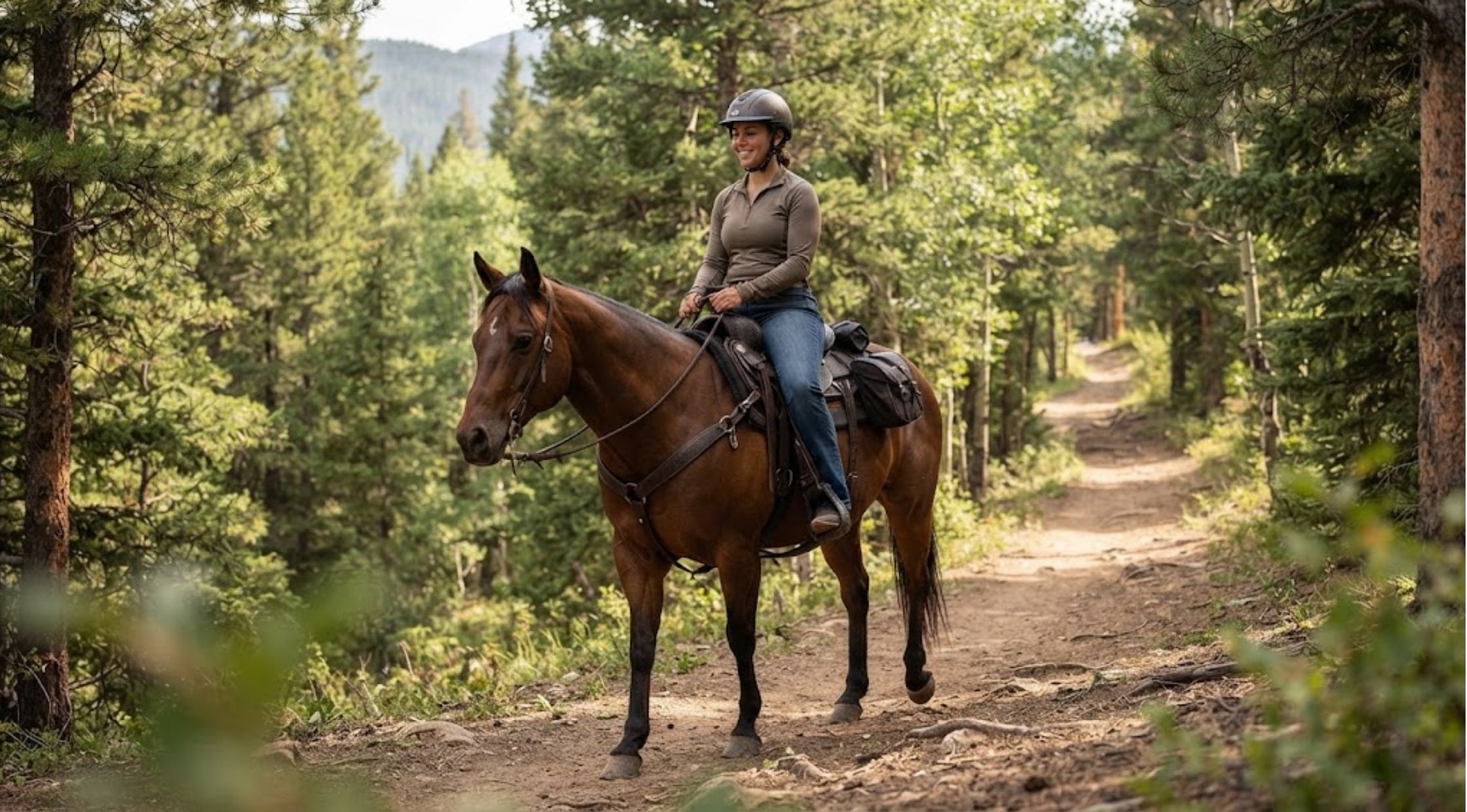
There is nothing quite like spending a day on horseback, exploring a quiet trail and enjoying the freedom of riding outdoors. But that experience can quickly become uncomfortable when your saddle does not fit you or your horse properly.
Maybe you finish a ride with sore hips or a tired back. Perhaps your horse seems uncomfortable, moves differently under saddle, or develops dry spots and pressure areas. Or maybe you are simply overwhelmed when browsing Horse Saddles for Sale, unsure which one will actually work for your riding style.
Choosing a saddle is about much more than finding a design you like. For trail riding, comfort, fit, stability, weight, and functionality all matter. With the right approach, you can find Trail Saddles that make longer rides more enjoyable for both you and your horse.
What Makes Trail Riding Different?
Trail riding can involve hours in the saddle, changing terrain, steep slopes, uneven ground, and frequent changes in pace. Unlike a short arena session, a trail ride can put different demands on both rider and horse.
This is why a saddle that works perfectly for one type of riding may not be the best choice for spending several hours outdoors.
Trail saddles are generally designed with the needs of longer rides in mind. Depending on the model, they may include features such as comfortable seats, supportive fenders, practical rigging, and attachment points for trail gear.
The challenge is finding the combination that suits your horse, your body, and the kind of trails you actually ride.
Common Problems Riders Experience With the Wrong Saddle
One of the most common problems is discomfort.
A saddle that does not fit the rider properly can make it difficult to maintain a balanced position. Over time, this can turn an enjoyable ride into an exhausting experience.
The horse can also experience problems when saddle fit is poor. Pressure may be concentrated in certain areas rather than distributed appropriately, potentially affecting comfort and movement.
Another issue is saddle stability. If a saddle moves excessively while climbing, descending, or crossing uneven terrain, the rider may feel less secure.
Weight can also become important. A heavy saddle may not be the ideal choice if you regularly tack up and ride for several hours.
These issues are often preventable when you spend more time evaluating fit and function before buying.
How to Choose the Right Trail Saddle
1. Start With Your Horse's Fit
Before looking at colors, tooling, or decorative details, think about the horse.
The tree shape and dimensions need to work with the horse's back. A saddle that is too narrow, too wide, or otherwise poorly matched can create pressure and discomfort.
If possible, have an experienced saddle fitter or knowledgeable professional help evaluate the fit. Pay attention to how the saddle sits when your horse is standing and how it behaves when the horse moves.
2. Make Sure the Seat Fits You
Rider fit matters just as much.
Saddle seat sizes vary, and your preferred level of support may depend on your body type and riding style. You want enough room to sit comfortably without feeling like you are sliding around inside the seat.
When browsing Horse Saddles for Sale, always check the listed seat size rather than assuming that one standard size will work for everyone.
3. Think About the Terrain
Not every trail is the same.
If you mostly ride well-maintained paths, you may have different requirements from someone who regularly tackles rocky, steep, or uneven terrain.
For challenging trails, stability becomes especially important. A secure seat and suitable saddle design can help you maintain a more balanced position as your horse moves across changing ground.
This is one reason there are so many different types of Trail Saddles available. Riders can choose designs based on their horse, terrain, distance, and personal preferences.
4. Consider Weight and Durability
If you ride regularly, your saddle needs to handle repeated use.
Traditional leather saddles can offer durability and a classic appearance, while synthetic or Cordura-style options may appeal to riders looking for a lighter or easier-to-maintain alternative.
Think about how often you ride and how far you typically travel. A few extra pounds may not matter for a short ride, but weight can become more noticeable during long-distance trail riding.
5. Don't Forget Practical Features
Trail riding often means carrying more than you would in an arena.
You may need room for water, a jacket, saddlebags, or other essentials. Depending on the saddle, attachment points and practical rigging can make carrying gear easier.
However, avoid choosing a saddle simply because it has the most features. Every additional feature should have a purpose for your riding routine.
Why Buying From a Specialized Saddle Shop Can Help
Once you know what you need, shopping becomes much easier.
A specialized retailer can give you access to different saddle types, sizes, brands, and price points instead of limiting you to one style.
HorseSaddleShop, for example, currently carries a large selection of new and used saddles and provides resources such as a saddle fit guide and EZ-Saddle Fit Tool. Its trail selection includes models from brands such as Circle Y, High Horse, Tucker, Big Horn, Billy Cook, and others.
That variety can be particularly useful when comparing Horse Saddles for Sale because you can consider different constructions instead of immediately choosing the first saddle that looks appealing.
The retailer also currently offers a used-saddle selection that includes numerous trail models, giving riders another route to finding a suitable saddle at a different price point.
When Premium Trail Saddles Are Worth the Investment
A premium saddle is not automatically the right saddle. Fit should always come first.
However, investing in a well-designed saddle can make sense for riders who spend significant time on horseback. Better construction, thoughtful ergonomics, quality materials, and suitable design features can contribute to a more comfortable riding experience.
For frequent trail riders, the saddle is something that gets used repeatedly. Paying attention to quality can therefore be more valuable than choosing based purely on the lowest initial price.
HorseSaddleShop's current trail collection includes both premium models and more accessible options, allowing riders to compare products according to their budget and requirements.
The Benefits of Choosing the Right Saddle
The right saddle can change how you experience a ride.
Instead of constantly adjusting your position or worrying about discomfort, you can concentrate more on your horse and the trail ahead. A properly fitted saddle can also help you maintain a balanced riding position and make longer outings more enjoyable.
For your horse, appropriate saddle fit is equally important. Comfort should never be treated as an optional extra.
The right Trail Saddles can also make practical aspects of riding easier, particularly when you need to carry equipment or spend several hours away from the stable.
And because quality saddles can be a significant investment, taking time to compare Horse Saddles for Sale before purchasing can help you make a more informed decision.
Choose for the Ride You Actually Do
The perfect saddle is not necessarily the most expensive one or the most attractive one.
Start with your horse's back and your own fit. Then consider how often you ride, the terrain you cover, how long you stay in the saddle, and what equipment you need to carry.
Once those factors are clear, comparing different Trail Saddles becomes much less overwhelming.
Whether you are an occasional weekend rider or someone who spends many hours exploring trails, choosing a saddle based on comfort and function can make a noticeable difference. Take your time, compare your options, and don't be afraid to prioritize fit over appearance.
When you're ready to explore Horse Saddles for Sale, a specialized retailer such as HorseSaddleShop can give you a wider range of choices and useful resources to help you narrow them down.
The goal is simple: find a saddle that works for both you and your horse, so you can spend less time thinking about your equipment and more time enjoying the ride.