Do you regularly dust your furniture, vacuum your floors, and keep your home tidy, yet still notice dust settling on surfaces or unpleasant odors lingering in the air? Indoor air can contain tiny particles that ordinary cleaning methods don't always remove. Pollen, pet dander, smoke particles, and other airborne pollutants can affect how fresh your home feels.
That's why choosing the right Air Purifier for Home can be a practical step toward improving indoor air quality. However, with so many models, filters, and features available, knowing which one to buy can feel overwhelming. Understanding how air purifiers work and what makes a HEPA Air Purifier different can help you make a more informed decision.
Why Can Indoor Air Feel Dusty or Stuffy?
Even a clean-looking home can contain airborne particles. Everyday activities such as cooking, opening windows, grooming pets, and walking across carpets can release particles into the air.
Dust and Allergens Keep Returning
Dust accumulates from several sources, including fabric fibres, outdoor particles, and everyday household activity. Pollen may enter through open windows and doors, while pet dander can circulate throughout rooms.
Regular cleaning helps control these sources, but some particles may remain airborne for a period before settling on surfaces.
Lingering Cooking and Household Odors
Cooking fumes, smoke, and certain household products can release particles or gases that contribute to indoor odors. Opening windows and using suitable kitchen ventilation can help, but these measures may not always be sufficient.
Poor Ventilation
When fresh outdoor air doesn't circulate effectively, indoor pollutants can accumulate. Weather, outdoor pollution, and building design can also influence how much ventilation is practical.
An air purifier can complement these household measures, but it doesn't replace ventilation, source control, or regular cleaning.
How Does an Air Purifier Work?
An air purifier draws room air through a filtration system, captures certain airborne particles, and circulates the filtered air back into space. Its effectiveness depends on the filter, airflow, room size, and how long it operates.
Different filters perform different jobs. A particle filter captures dust and other particles, while activated carbon may help reduce certain gases and odors. Not every purifier includes both types, so it's important to check the specifications.
What Makes a HEPA Air Purifier Different?
A HEPA Air Purifier uses a high-efficiency particulate air filter designed to capture at least 99.97% of particles measuring 0.3 microns under the applicable test conditions. This is a standard filter-performance benchmark, not a guarantee that the entire room's air will become completely particle-free.
HEPA filtration can be useful for reducing airborne particles such as pollen, dust, and pet dander when the purifier is appropriately sized and operated correctly.
However, HEPA filters don't remove every gaseous pollutant or odor. If those are important concerns, look for a model with a suitable activated-carbon filter as well.
How to Choose the Right Air Purifier for Your Home
The best choice depends on your room, household needs, and maintenance preferences. Keep these factors in mind before purchasing.
1. Match the Purifier to Your Room Size
One of the most important considerations is room coverage. A purifier designed for a small bedroom may not clean a large open-plan living area effectively.
Check the manufacturer's recommended room size and clean air delivery rate (CADR), where available. CADR indicates how quickly a purifier delivers filtered air for particular particle categories. A higher rating generally means faster particle removal under the relevant testing conditions.
If you're choosing a unit for a bedroom, measure the room first rather than relying on appearance or price alone.
2. Check the Filter Type
Look for clear information about the filtration system. A HEPA filter is a useful feature when airborne particles are your primary concern, while activated carbon may help address certain odors and gases.
Avoid assuming that every filter marketed as “high efficiency” meets the same standard. Check the exact specifications and replacement-filter availability.
3. Consider Noise Levels
An air purifier may run for several hours each day, particularly in bedrooms and living spaces. Noise can therefore make a significant difference to your experience.
Review the sound ratings at different fan speeds. A quiet setting may be more comfortable at night, although it may also deliver less airflow than the highest setting.
4. Calculate Ongoing Costs
The purchase price is only part of the total cost. Filters eventually need replacing, and replacement frequency depends on the model, usage, and indoor conditions.
Before buying, check the price of genuine replacement filters, the recommended replacement schedule, and whether the model provides filter-life reminders.
5. Look for Convenient Features
Automatic modes, air-quality indicators, timers, and app controls can make daily operation easier. These features are helpful, but they shouldn't take priority over effective filtration and appropriate room coverage.
Choose features that fit your routine rather than paying extra for technology you may rarely use.
Is a Premium HEPA Air Purifier Worth It?
A basic purifier may suit a small room or occasional use. A more advanced model may be worth considering if you need greater room coverage, convenient controls, quieter operation at a useful fan speed, or a combination of particle and odor filtration.
The important point is to compare actual performance rather than assuming a higher price automatically means cleaner air.
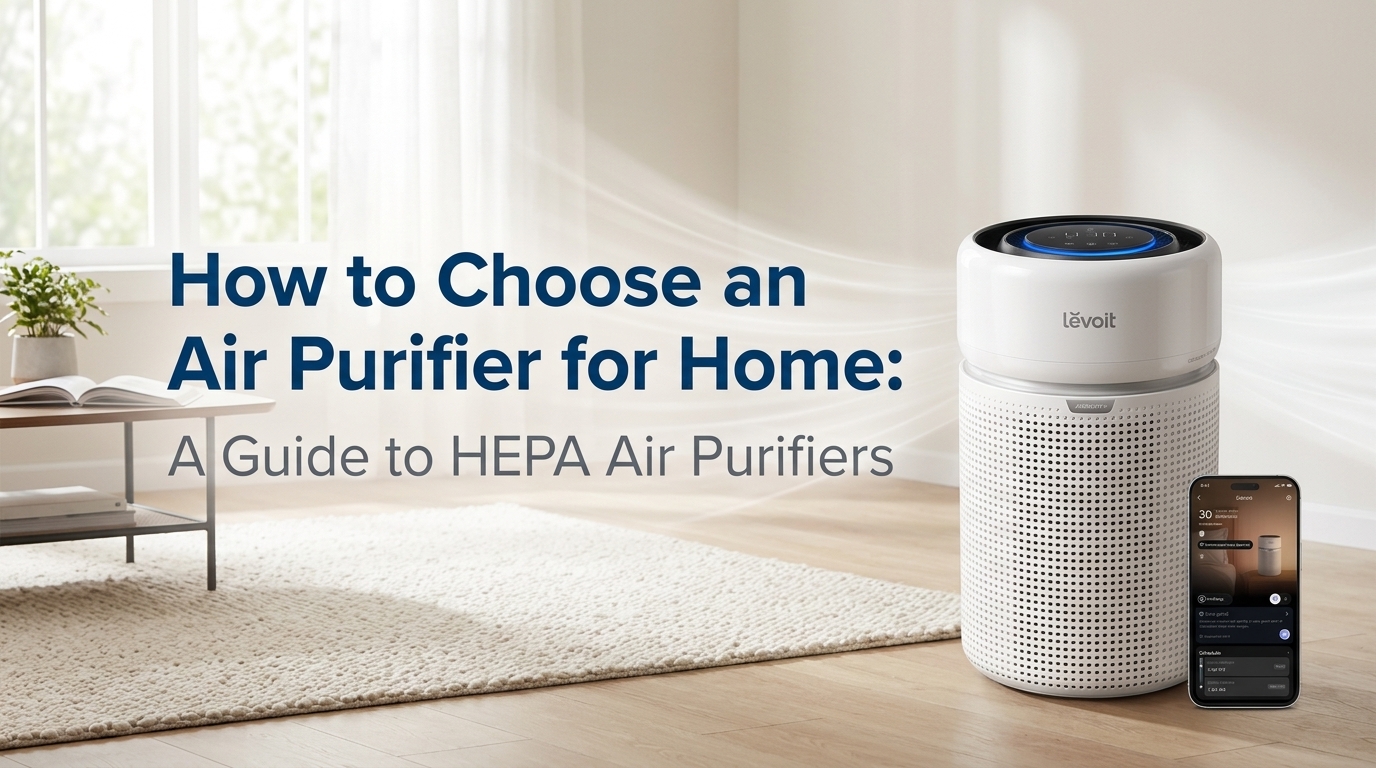
Levoit is one brand worth exploring when comparing household air purifiers. Its product range includes options designed for different room sizes and everyday indoor-air needs. Depending on the model, available features may include particle filtration, automatic operation, and smart controls.
When comparing a Levoit unit with alternatives, review its CADR, recommended room coverage, filter specifications, noise levels, and replacement-filter costs. These details will help you decide whether a particular model offers the right balance of performance and convenience.
How to Get Better Results from Your Air Purifier
Buying the right device is only the first step. A few simple habits can help you get more value from it.
Place it strategically: Follow the manufacturer's guidance on clearance around the unit and avoid blocking its air intake or outlet.
Run it consistently: Operating the purifier for longer periods generally provides more opportunities to filter airborne particles.
Keep up with cleaning: Vacuuming, damp dusting, and washing bedding help reduce the sources of indoor particles.
Maintain the filters: Replace them according to the manufacturer's instructions, and clean only the components that are specifically designed to be cleaned.
Address pollution at its source: Use kitchen exhaust ventilation, avoid indoor smoking, and reduce unnecessary use of products that release strong fumes.
Levoit models with convenient operating features may help make these routines easier, but proper placement and regular maintenance remain essential regardless of the brand.
Make a Smarter Choice for Your Indoor Air
Finding the right Air Purifier for Home doesn't have to be complicated. Start by identifying your main concern, whether it's dust, pollen, pet dander, or certain odors. Then compare room coverage, filtration, noise, and long-term maintenance costs.
A properly sized HEPA Air Purifier can help reduce airborne particles, especially when combined with good ventilation and sensible cleaning habits. If you're comparing available options, explore Levoit's range alongside other suitable models and evaluate the specifications against your household's needs.
The goal isn't simply to buy another home appliance. It's to choose a practical solution that fits your space, your budget, and the way you live.