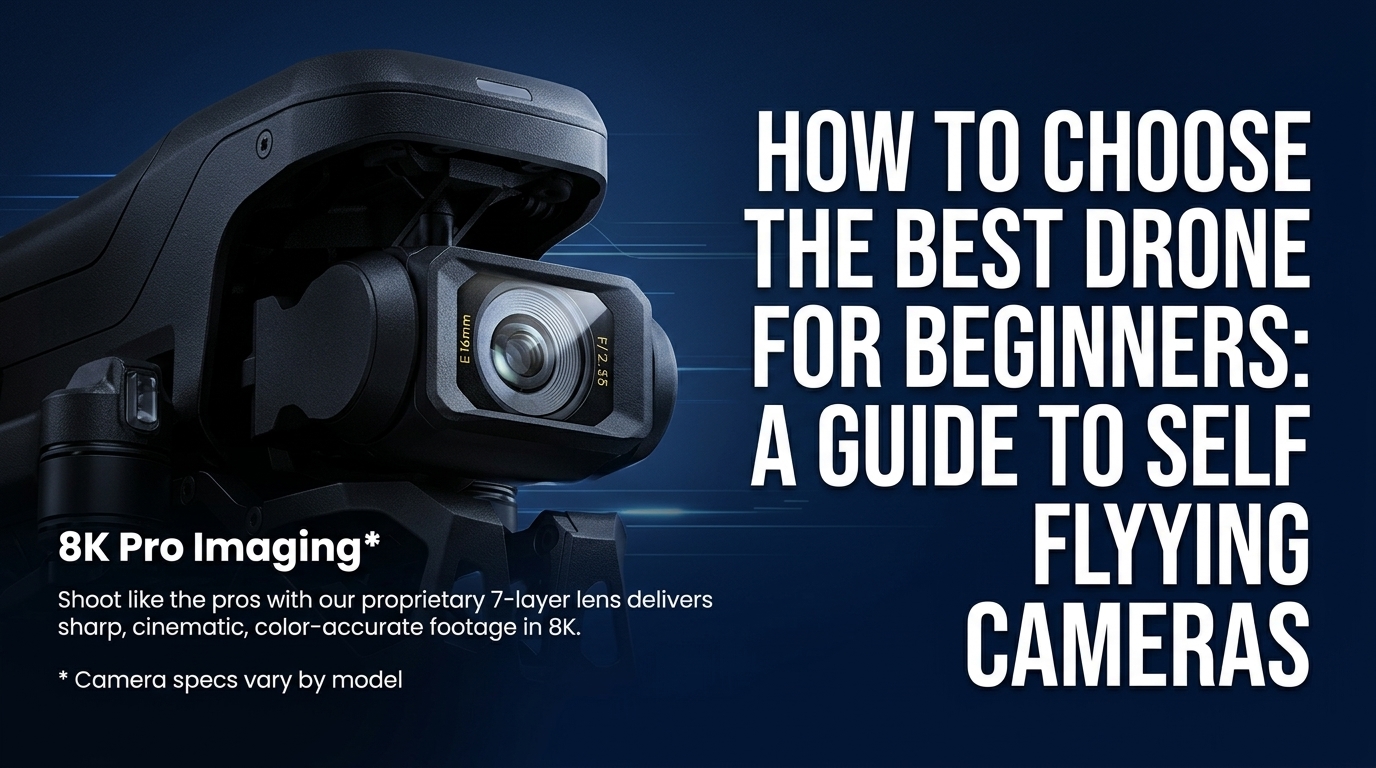
Capturing stunning photos and smooth videos sounds exciting until you realise how much effort it takes to operate a camera and be part of the action at the same time. Whether you're hiking through scenic landscapes, cycling along a trail, travelling with friends, or creating social media content, getting the perfect shot can be surprisingly difficult when you're the one behind the camera.
That's where a Self Flying Camera can make a difference. Instead of relying entirely on manual controls, these devices are designed to make aerial filming more accessible. If you're searching for the Best Drone for Beginners, understanding the features that matter most can help you choose a device that fits your lifestyle, skill level, and creative goals.
Why Is Getting Started with a Drone So Challenging?
Drones can open up exciting creative possibilities, but beginners often face a few common obstacles.
Learning Complicated Controls
Traditional drones may require users to learn multiple controls while monitoring the drone's position, battery level, and surroundings. Managing all these things at once can feel overwhelming, especially if you've never flown a drone before.
Recording Yourself Is Difficult
If you're travelling alone or enjoying an outdoor activity, capturing yourself in the frame can be challenging. You might need another person to operate the camera, or you may have to stop what you're doing to set up a shot.
Carrying Extra Equipment
Large drones, accessories, and separate cameras can take up valuable space in your backpack. For travellers and outdoor enthusiasts, portability matters just as much as image quality.
A well-designed Self Flying Camera can help simplify these challenges by combining camera functionality with automated flight features.
What Makes a Self Flying Camera Different?
A Self Flying Camera is designed to reduce the amount of manual effort needed to capture aerial footage. Depending on the model, it may offer automated take-off and landing, preset flight movements, subject tracking, or hands-free operation.
These features allow beginners to focus more on their activities and less on controlling every movement.
For example, imagine walking along a beautiful coastal path. Instead of asking someone to film you or repeatedly setting up your phone, a suitable drone may be able to follow your movement and capture footage from an aerial perspective.
However, not every model offers the same capabilities. Some are designed primarily for selfies and short clips, while others provide more advanced tracking, improved video quality, and greater control over camera movements.
Understanding these differences is essential when choosing the right device.
How to Choose the Best Drone for Beginners
The right drone should make filming easier without introducing unnecessary complexity. Consider these important factors before making a purchase.
1. Look for Simple Controls
Choose a drone with a straightforward operating system and beginner-friendly features. Automated take-off and landing, intuitive controls, and guided flight modes can make the learning process less intimidating.
A Self Flying Camera with easy-to-understand functions may be particularly useful if you want to capture everyday adventures rather than learn advanced piloting techniques.
2. Consider Camera Quality
Good footage depends on more than resolution alone. Image stabilisation, frame rates, lighting performance, and camera movement all influence the final result.
If you plan to create travel videos or social media reels, look for a camera that delivers smooth footage and enough detail for your preferred platform.
It's also worth checking sample videos before buying, as real-world performance can vary considerably between models.
3. Prioritise Portability
A compact, lightweight drone is easier to carry during holidays, hikes, and weekend outings. Foldable designs or drones that fit comfortably into a small bag can be especially convenient.
Before purchasing, check the complete travel setup, including the drone, charging equipment, controller if required, and any protective accessories.
4. Check Battery Life and Flight Time
Flight time determines how long you can capture footage before recharging or changing batteries. Consider how you intend to use your drone and whether spare batteries are available.
Remember that advertised flight times are usually measured under particular conditions. Wind, temperature, flight behaviour, and battery age can affect actual performance.
5. Understand Safety Features
Beginners should look for clear battery warnings, stable flight behaviour, reliable controls, and obstacle-detection features where available.
No safety feature eliminates every risk. Always learn the manufacturer's instructions, practise in an open area, and follow local drone regulations before flying.
Is a Premium Self Flying Camera Worth It?
An entry-level drone can be a sensible choice if you're experimenting with aerial photography or simply want to learn the basics. However, upgrading may be worthwhile when you want more consistent footage, easier tracking, and a more streamlined filming experience.
The key is to pay for features you'll genuinely use rather than choosing a model based on specifications alone.
For instance, someone who regularly records cycling trips or outdoor adventures may benefit from automated tracking and hands-free recording. A traveller who mainly wants occasional landscape shots might place greater value on portability and image quality.
This is where HOVERAir is worth exploring. Its range of self-flying cameras is designed around accessible, hands-free aerial content creation, making it relevant to people who want to record themselves without always operating a conventional drone manually.
Depending on the model, features and capabilities can differ, so compare the specifications carefully before deciding whether a particular device meets your needs.
What Can You Do with a Self Flying Camera?
Once you find a suitable device, there are several practical ways to incorporate it into your routine.
- Travel videos: Capture scenic views, walking footage, and memorable holiday moments.
- Outdoor adventures: Record hiking, cycling, and other activities from different perspectives.
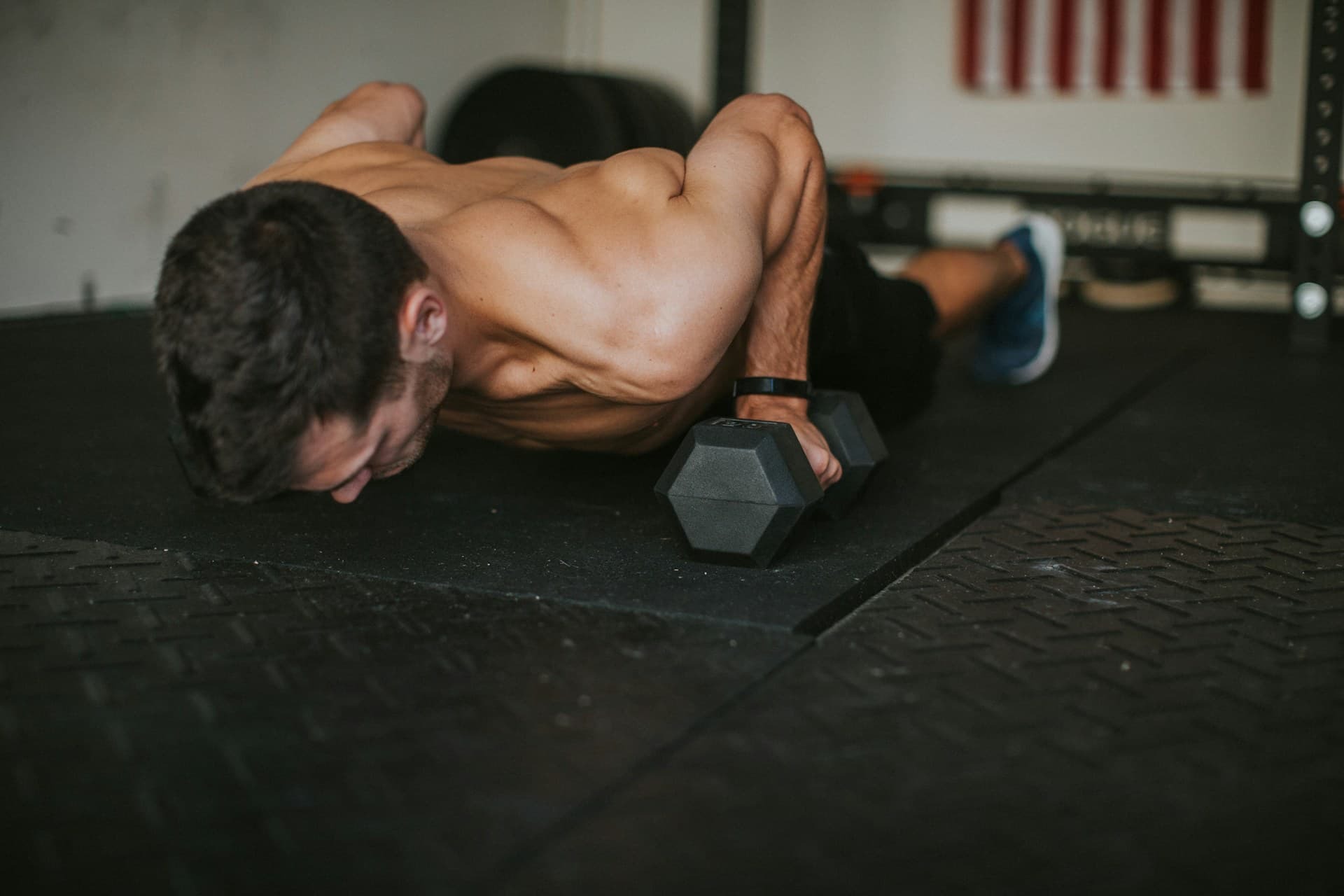
- Fitness content: Create training clips without needing someone to film every session.
- Social media: Experiment with aerial angles and automated movements for more engaging videos.
- Family memories: Record outdoor gatherings and trips while spending less time behind a camera.
A Self Flying Camera can make these experiences more convenient, although the quality of your results will still depend on the environment, camera capabilities, and your preparation.
Common Mistakes to Avoid When Buying Your First Drone
Even the Best Drone for Beginners may disappoint if it doesn't suit your actual needs.
First, avoid choosing solely on price. A low-cost model might lack the tracking, stabilisation, or image quality you need. On the other hand, an expensive drone isn't automatically the best option for casual use.
Second, don't overlook the manufacturer's operating instructions and compatibility requirements. Check whether you need a smartphone app, a separate controller, or additional accessories.
Finally, consider where you'll fly. Windy locations, crowded areas, and restricted airspace can limit your options. Check local rules and practise in permitted, open spaces before attempting more ambitious shots.
HOVERAir offers a useful starting point for comparing compact, automated filming options, particularly if portability and hands-free recording are priorities. Review the individual product specifications, included accessories, and supported flight modes before committing.
Make Your Next Creative Adventure Easier
Choosing the right drone doesn't have to be complicated. Start by identifying what you want to capture, then compare ease of use, camera quality, portability, battery performance, and safety features.
For beginners, a Self Flying Camera can reduce some of the learning curve and make it easier to capture personal moments from fresh perspectives. The Best Drone for Beginners is ultimately the one that fits your activities, comfort level, and budget.
Take time to compare available options, explore HOVERAir's product range, and select a model whose features match your needs. With the right equipment and responsible flying habits, you can spend less time worrying about camera controls and more time enjoying the moments you want to remember.